Industry
Insurance
Client
Kinsale Insurance
Design System and Product Design for Kinsale Insurance
Leading design system adoption across a growing insurance product ecosystem.
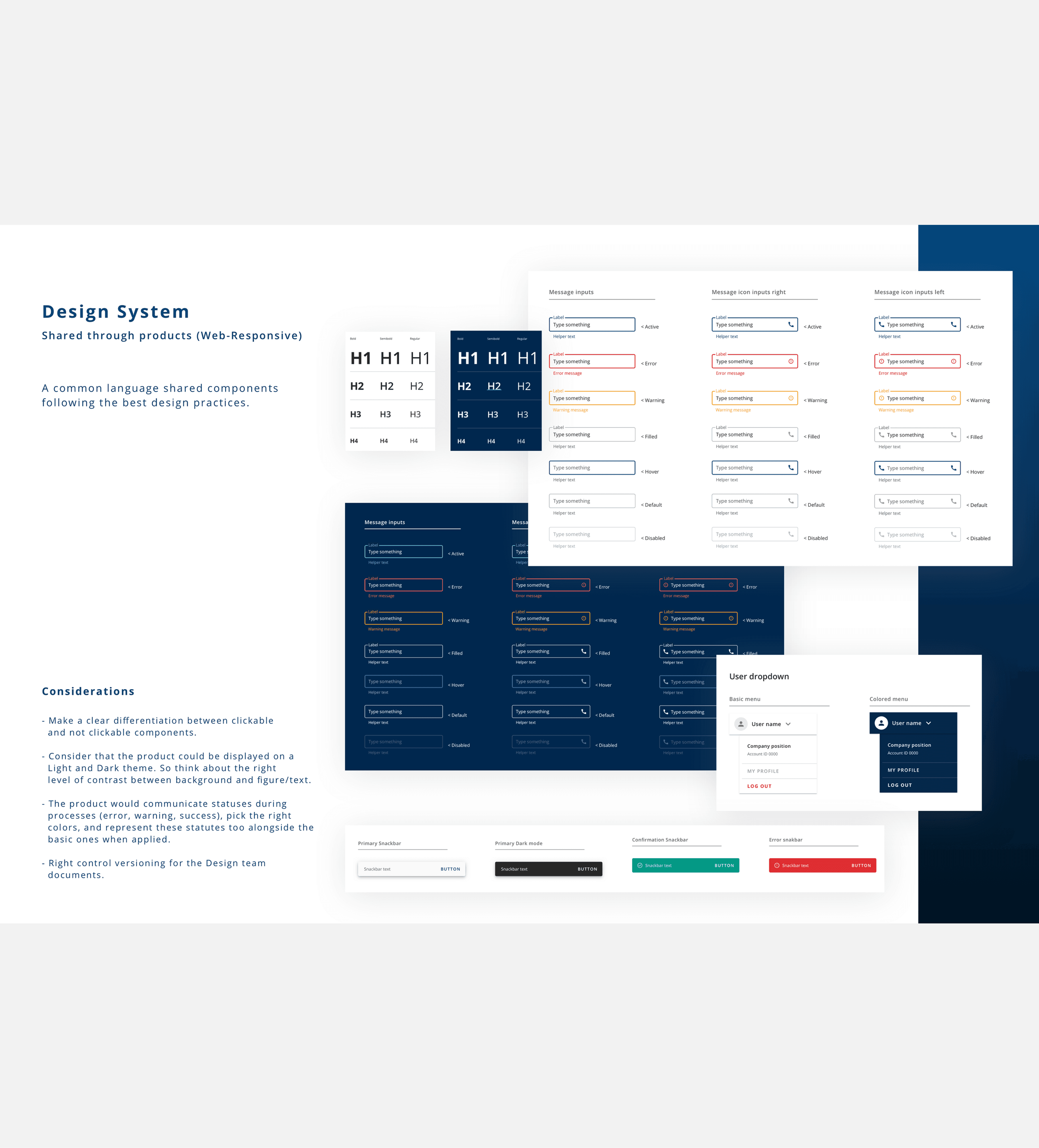
Between 2018 and 2019, I worked in the specialty risk insurance sector to scale design across a growing product ecosystem. As new platforms were introduced, I led the creation of a shared design system to ensure consistency across teams and products. As Lead Designer, I established a common visual language, reusable components, and documentation, while reviewing requirements, defining user stories, and guiding the design team to deliver a cohesive, scalable experience.
Process & Outcome
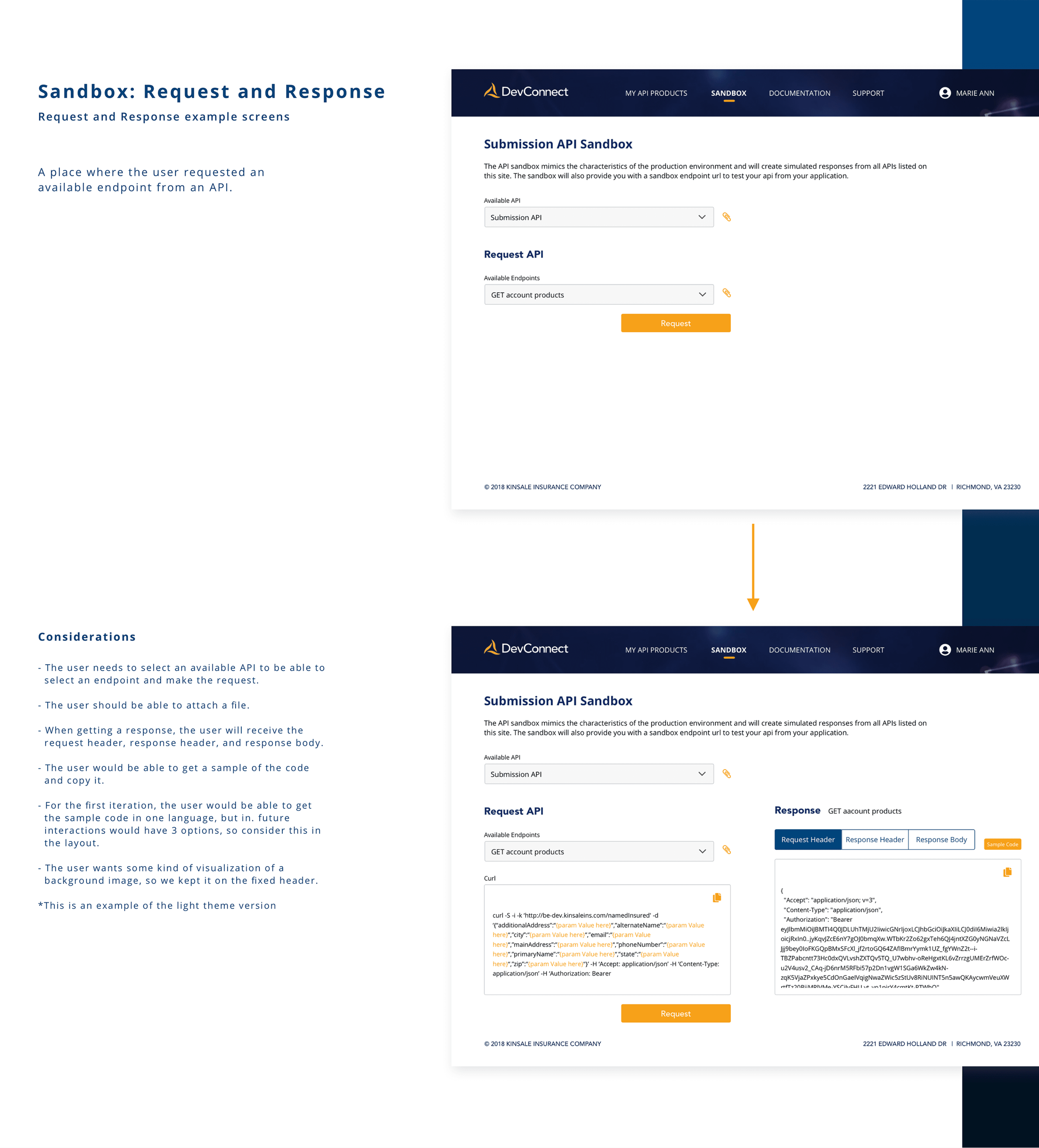
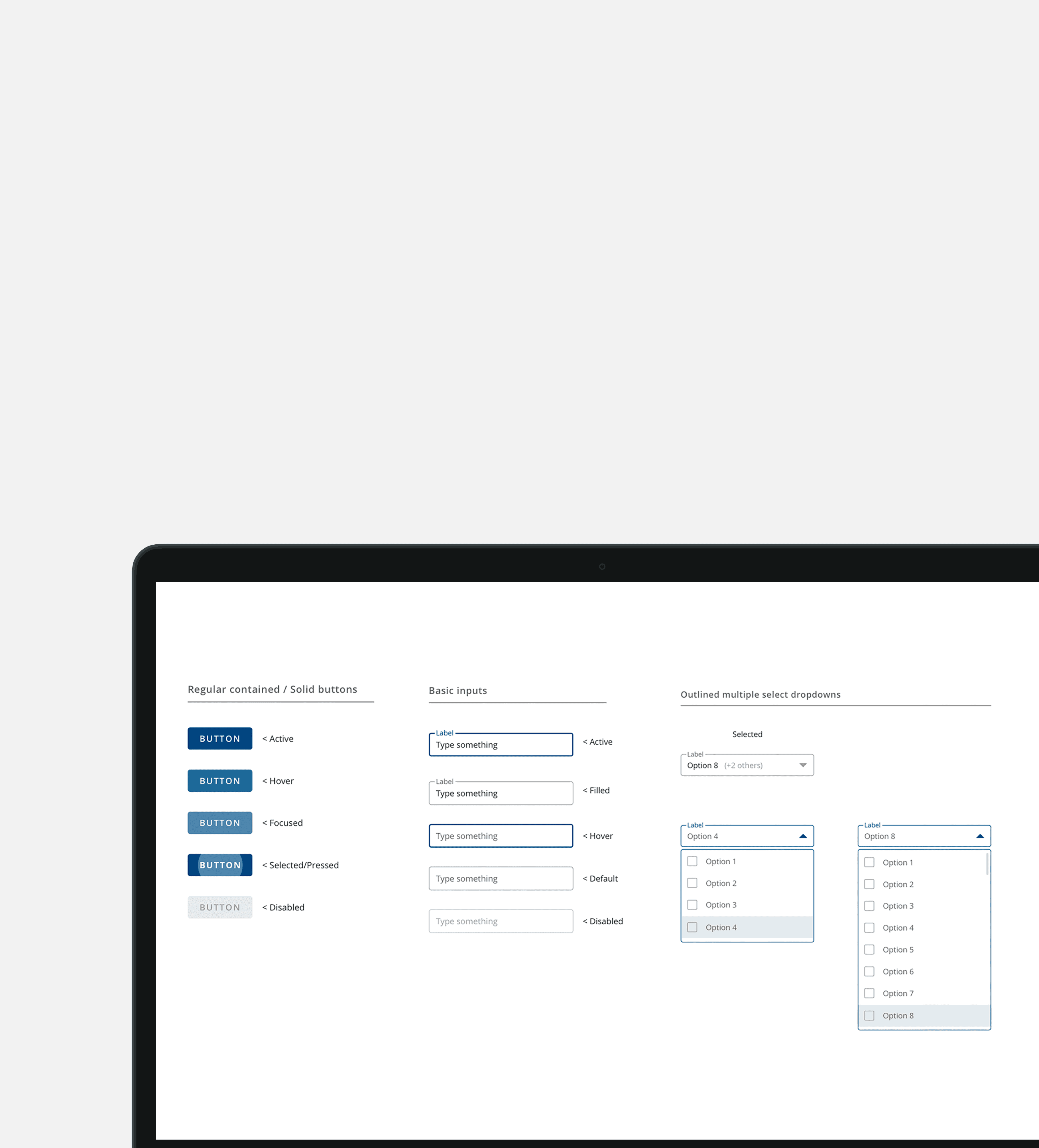
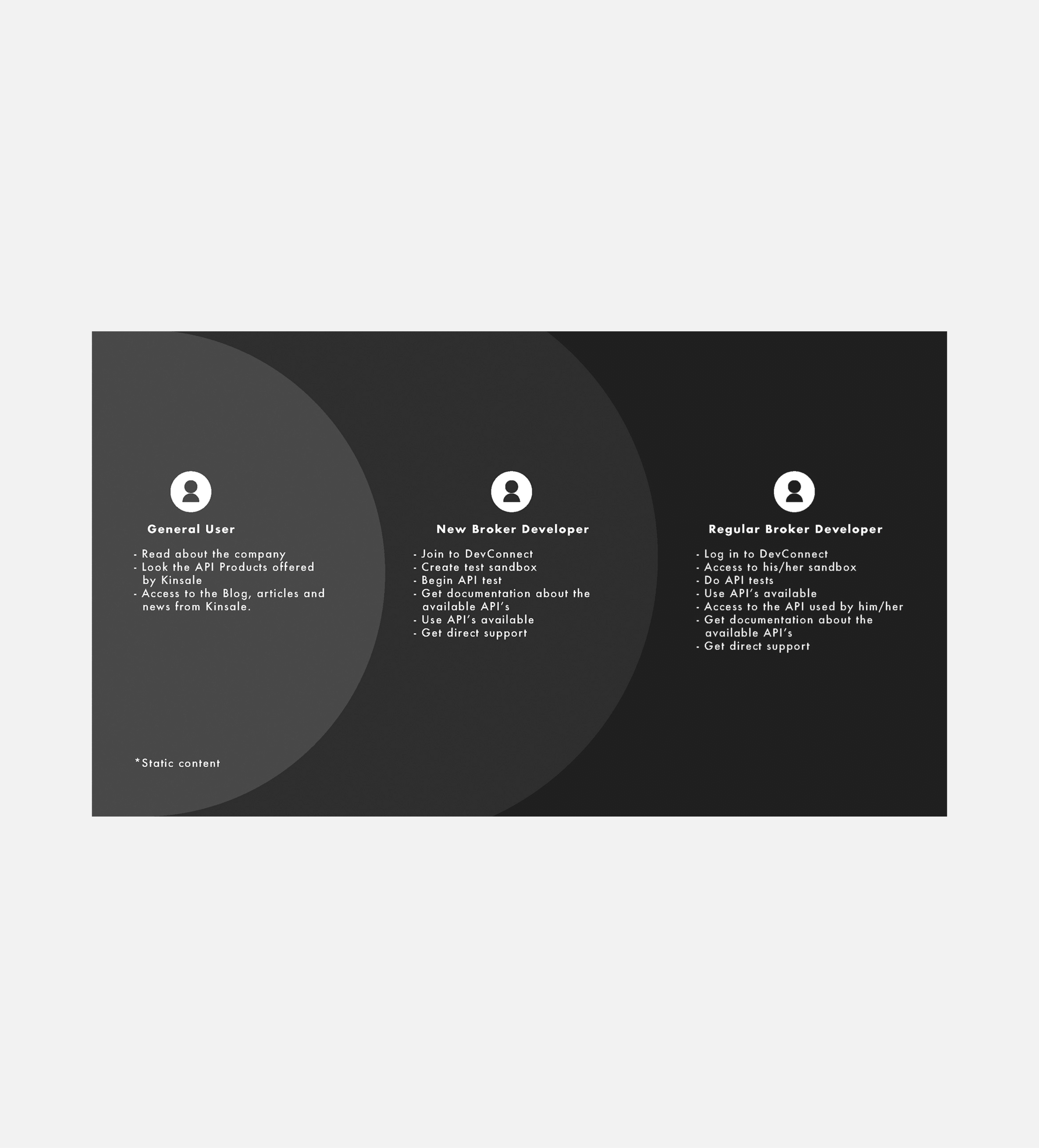
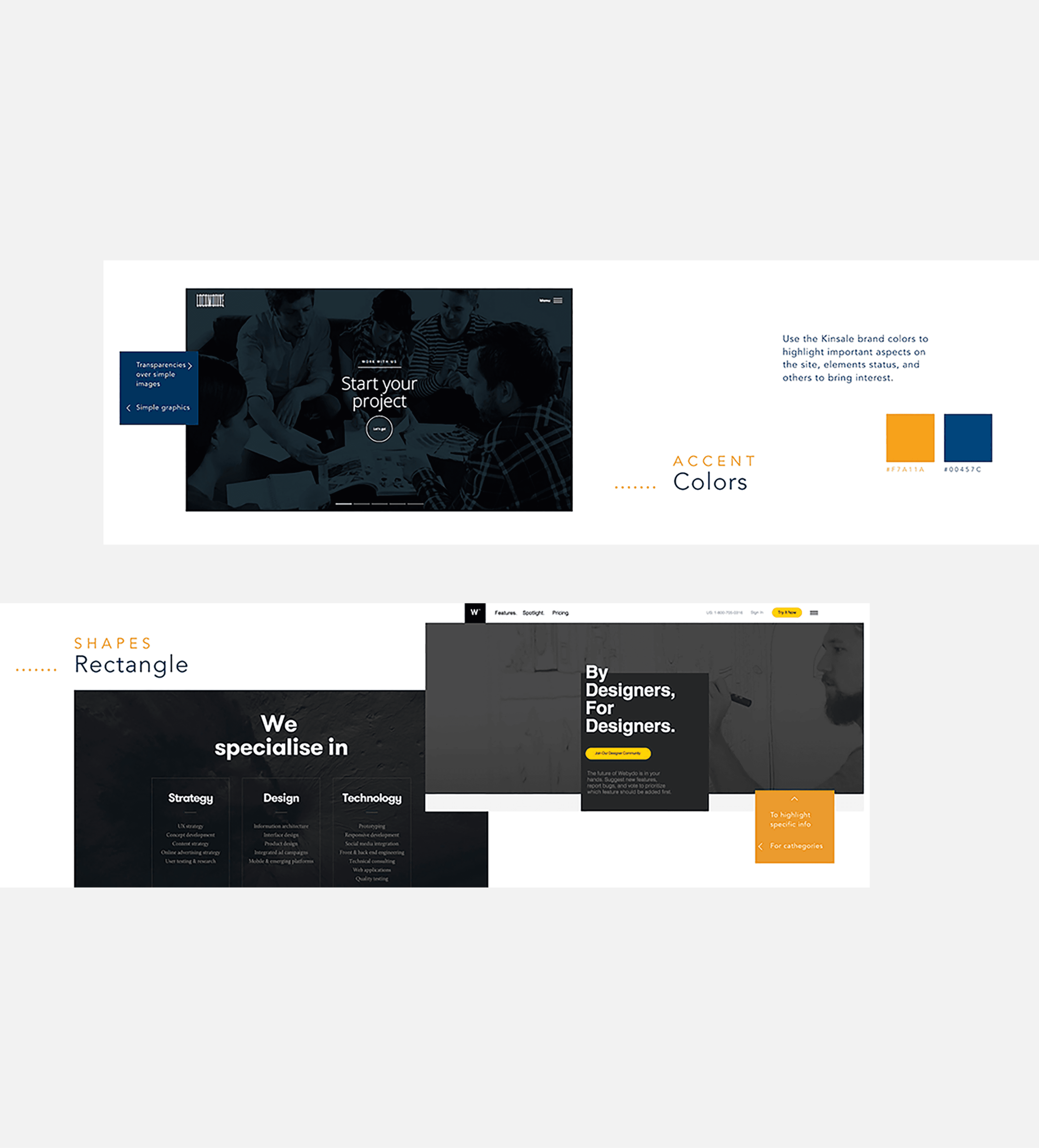
This project unfolded across multiple products, audiences, and constraints, requiring a flexible yet structured approach. While the specific needs varied between initiatives, the underlying challenge was consistent: three insurance-related products were evolving independently, without a shared visual language or cohesive experience. As the ecosystem grew — and more designers joined the team — the lack of a unified system became a scalability risk. - Problem Definition - We were working across three products serving different audiences within the insurance domain. The first — and the focus of this case study — was a developer-facing platform built to help users integrate company APIs more efficiently. Developers needed faster access to resources, clearer documentation, and a way to work across multiple coding languages without starting from scratch each time. At the same time, two additional platforms were being developed to improve and automate insurance claims and endorsements for brokers. While each product had unique workflows, they all suffered from fragmented visuals, inconsistent patterns, and disconnected experiences. The opportunity was clear: solve individual product problems while laying the foundation for a shared, scalable design system. For the developer platform specifically, discovery revealed key insights: 1. APIs and resources existed, but were scattered and hard to navigate. 2. Developer experience levels varied widely. 3. Supporting five coding languages added complexity. 4. Users prioritized functionality and efficiency over visual flourish. 5. Time savings and reduced rework were critical goals. - Ideation & Exploration - Ideation balanced user needs, business goals, and technical feasibility. After aligning on requirements with the Product Owner, I explored multiple solution paths and presented two low-fidelity proposals for each feature. These wireframes became a critical communication tool — allowing early feedback from stakeholders and reducing costly rework later. Close collaboration with developers and the technical lead was essential at this stage. By validating feasibility early, we ensured the concepts presented to clients were realistic and aligned with existing constraints. User feedback and exploration highlighted important preferences: 1. A strong preference for dark themes, aligned with common coding environments. 2. A need for an API Developer Kit–style resource center. 3. The ability to copy and translate code snippets across languages. 4. Desktop-first usage, with responsive behavior as a requirement. 5. Alignment with evolving company branding. - Visual Design & System Thinking - Visual design focused on clarity, structure, and scalability. An initial mood board helped align stakeholders around a shared direction: simple navigation, flexible layouts, minimal imagery, and strong typographic hierarchy. Design decisions were intentionally restrained and systematic: 1. A common visual language across products. 2. Reusable components with defined states and behaviors. 3. Line iconography and rectangular containers to structure information. 4. Card-based layouts to distinguish content types. 5. A 12-column, Bootstrap-based grid. 6. Limited font families, including a dedicated typeface for code. 7. Static navigation to support dense information. 8. Photography reserved only for the landing page, per client request. As the ecosystem expanded, the need for a shared design system became unavoidable. I led the creation (and partial redesign) of a Design System that could connect all products, support multiple designers, and establish a unified experience across the company’s platforms. - Outcome - The Design System became one of the project’s most significant outcomes. It established a shared visual language, reusable components, and clear guidelines that aligned teams across products and roles. For developers, it provided a more intuitive, efficient resource hub. For the organization, it created consistency, reduced duplication, and enabled parallel design work without fragmentation. Beyond individual features, the system laid the groundwork for long-term scalability — allowing new products, designers, and requirements to integrate seamlessly while maintaining a cohesive brand and user experience. - Lessons Learned - 1. Research is foundational. Understanding how a product truly works starts with learning from the people who use it. Deep knowledge of user workflows and real processes leads to more targeted, effective solutions. 2. Business goals evolve — and so must the solution. Requirements can change as business priorities shift. Taking a step back to reassess the problem is part of the process, not a setback, and helps ensure the solution remains relevant and aligned. 3. Adaptability makes the difference. Unexpected challenges are inevitable. Being able to adjust quickly, stay proactive, and respond thoughtfully is essential to maintaining progress and quality. 4. Communication enables better outcomes. Consistent, open communication across the team reduces rework and prevents misalignment. Early and ongoing collaboration with developers is especially important to understand technical constraints and design solutions that are both feasible and effective.