Industry
Investment / B2B
Client
Invest Corp.
Cross-Team Communication & Workflow Improvement
Improving Cross-Functional Communication & Processes
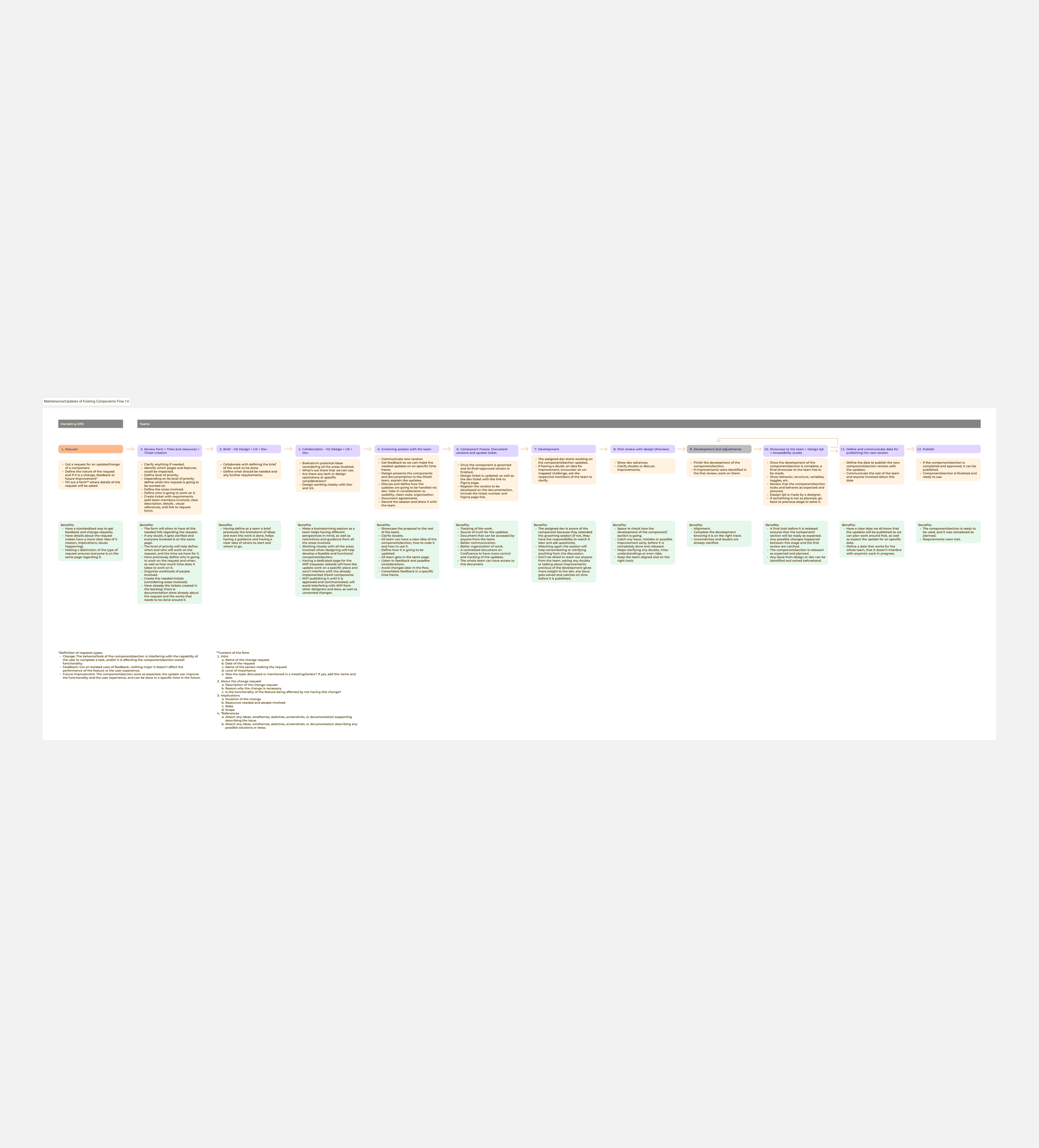
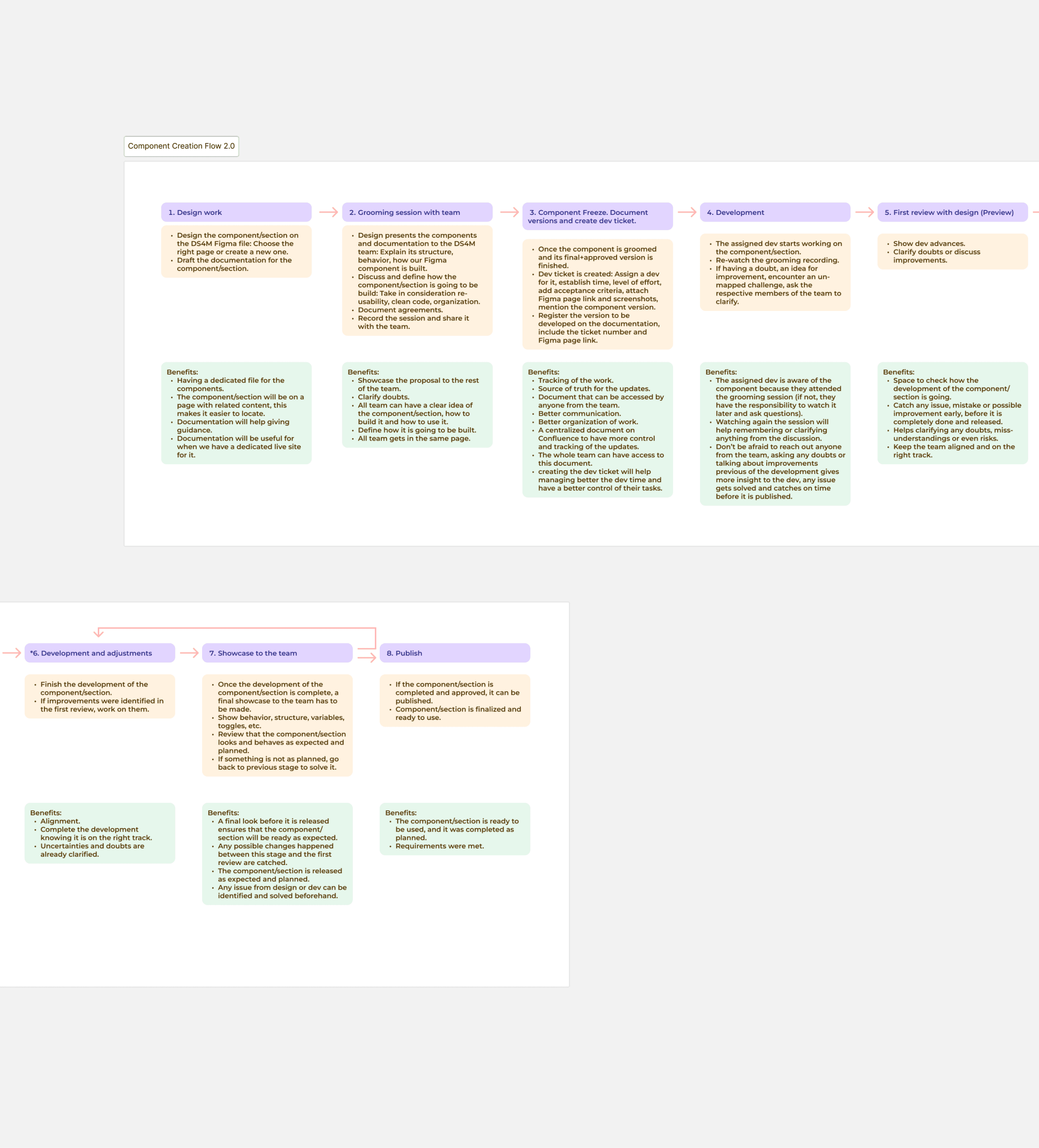
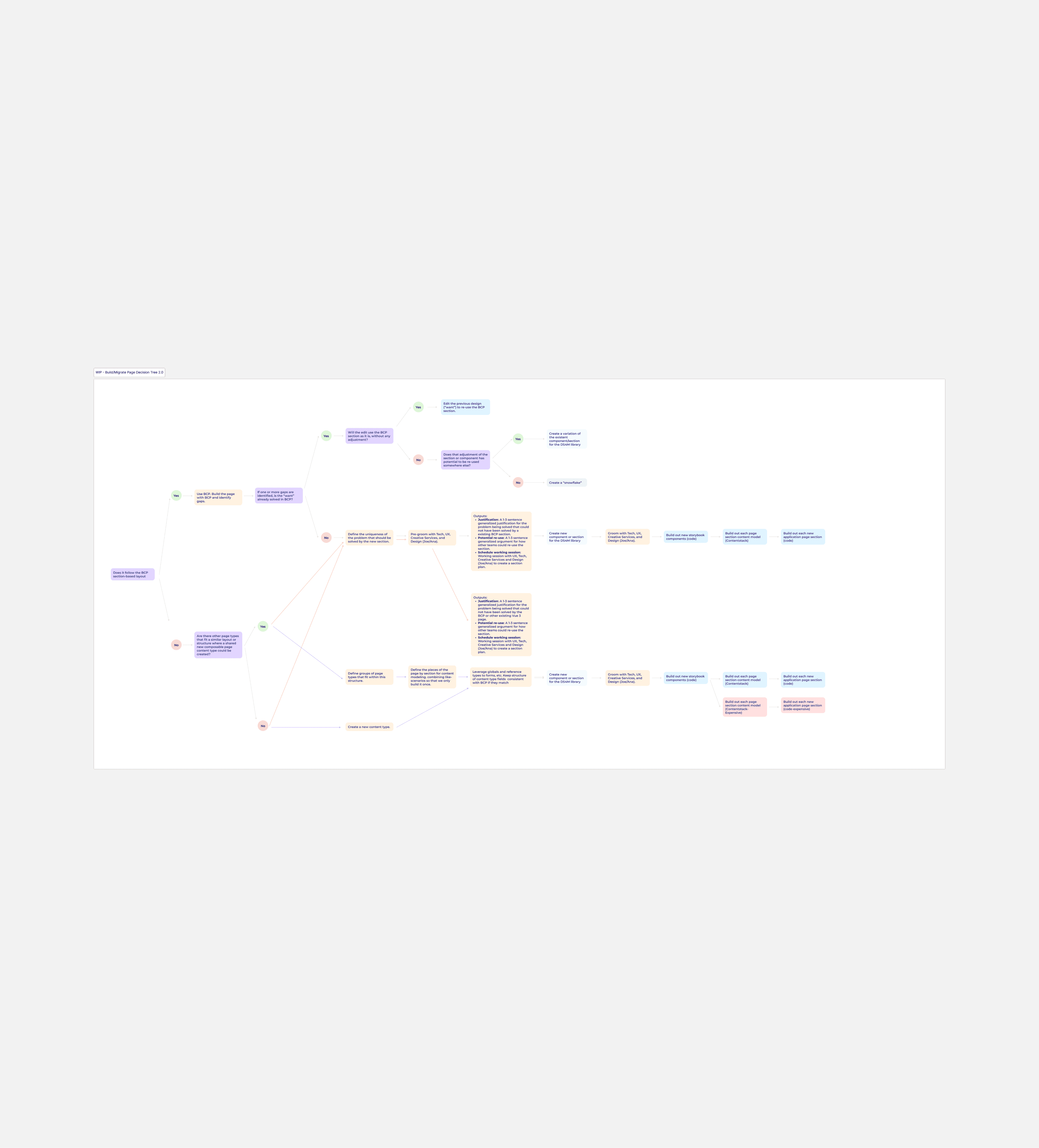
One of the team’s biggest challenge was communication. Designers, developers, and PMs were all doing great work, but the process connecting them was fragmented. To improve collaboration and build momentum, I began by listening: understanding team dynamics, identifying gaps in workflows, and mapping where conversations were breaking down. From there, I helped refining processes, clarifing touchpoints, and the team started working together more smoothly and intentionally.
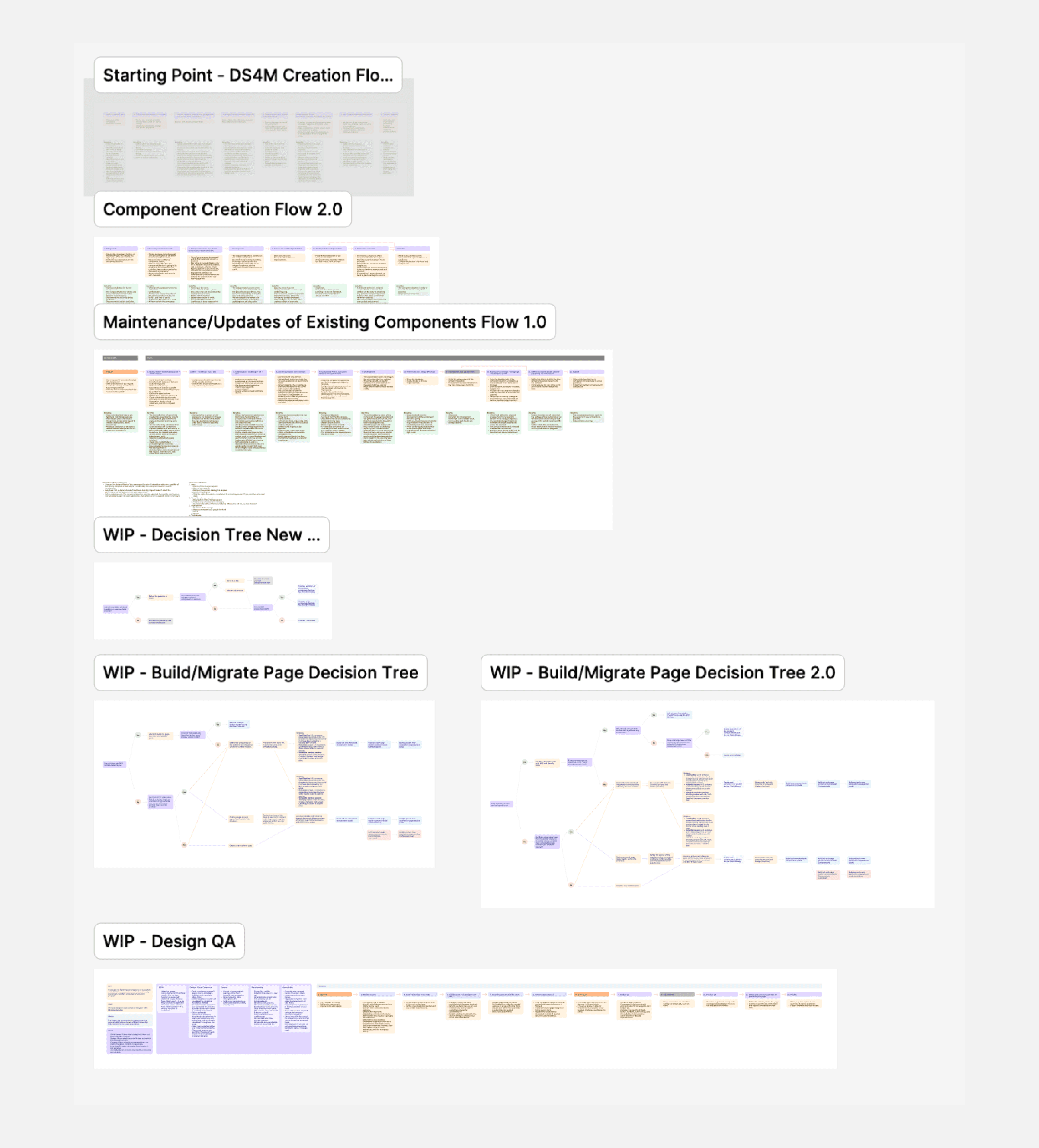
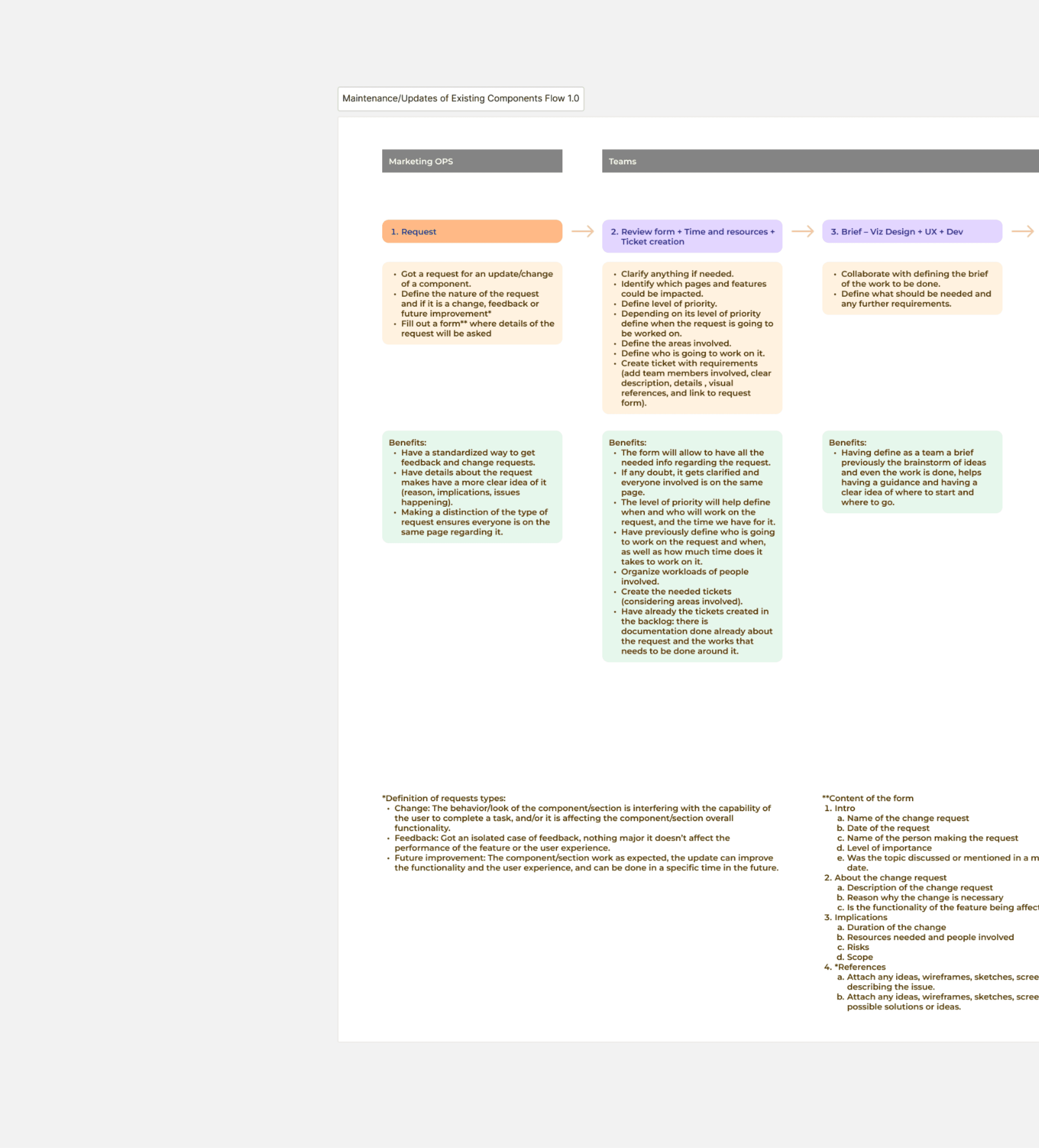
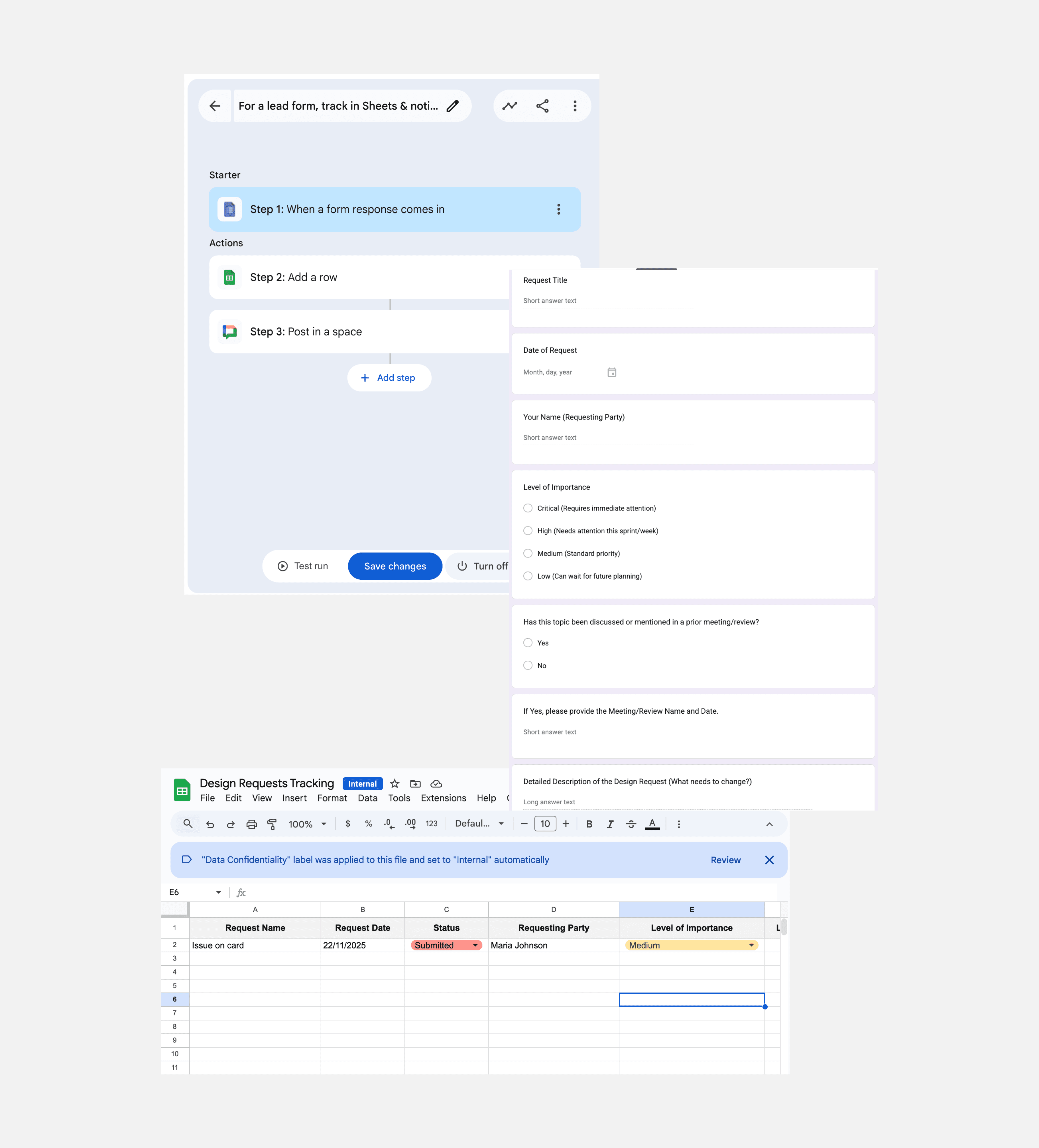
The Challenge & The Outcome
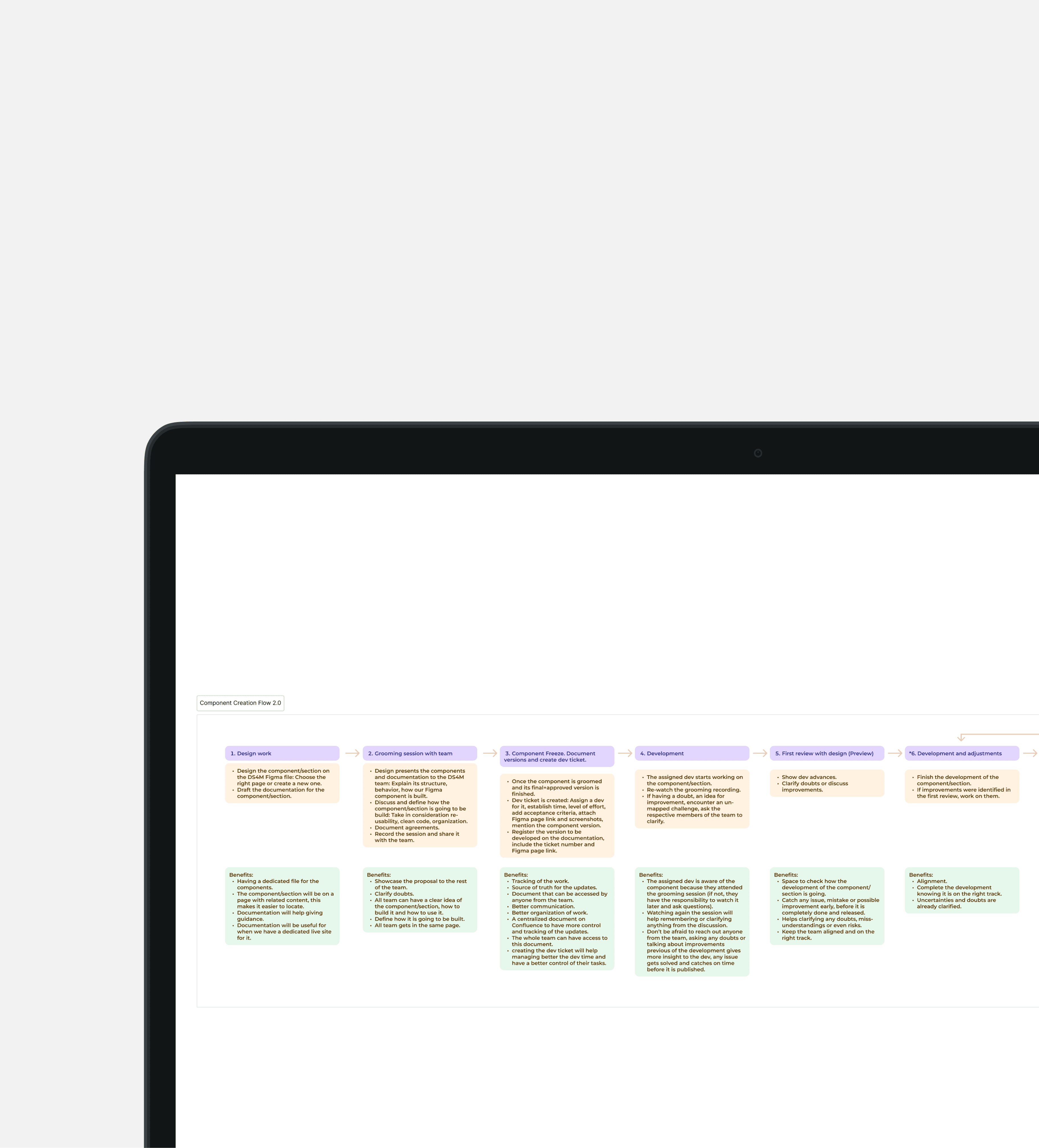
The team had the right intentions and a strong desire to do good work, but there were no clear processes in place to support them. Without defined workflows, communication became inconsistent, responsibilities blurred, and errors became more frequent — not because of lack of effort, but because the system around the work wasn’t set up for success. One of the biggest challenges was not only defining the workflows the team needed, but ensuring they were sustainable, adopted, and understood across roles. Processes were evolving, and the team needed a structure that could evolve with them. My goal was to bring clarity to how work moved across the organization — mapping existing practices, identifying gaps, and establishing workflows that improved communication, collaboration, and long-term productivity. I began by listening. Before proposing solutions, I immersed myself in the team’s daily rhythm — observing dynamics, mapping workflows, and identifying where conversations, responsibilities, and handoffs were breaking down. I walked through every existing process, as well as the new ones the team needed to support upcoming work. From there, I clarified touchpoints, refined the workflows, and presented them back to the team to gather feedback and ensure shared ownership. As we put the new processes into practice, they continued to evolve alongside the project’s needs. These changes helped the team collaborate with more intention and stability, reducing risks, improving communication, and creating a more predictable, aligned way of working. By the end of the project, the team had five clearly defined, documented, and adopted workflows — each one addressing a core part of the product development process. These workflows brought structure where there was ambiguity, creating shared expectations across designers, developers, and PMs. Each workflow was built considering the tools the team already relied on — Asana for planning, Figma for design collaboration, Teams and SharePoint for communication and documentation, and, more recently, Gemini for faster information retrieval and support. With clearer touchpoints and communication rituals in place, collaboration became smoother and more intentional. Handoffs were faster, misalignment decreased, and the team gained a more predictable rhythm for decision-making and delivery. Beyond immediate improvements, the workflows became a scalable foundation the team could adjust and evolve as the product grew — reducing risk, strengthening accountability, and enabling a healthier team dynamic long-term.